before we read the résumé.
The mandate
A business problem before it is a search.
What must change, be built and owned — and what it will take to deliver.
The candidate
What they owned, changed and can carry forward.
The decisions that were theirs, the context behind the outcomes — and whether they fit what the business now needs.
Our foundations
Engineering · MBA — ISB · Built businesses · Worked inside global corporates · Worked alongside investors · Lived with the outcomes
The trust we hold
Across investment teams and portfolio leadership.
Selected mandates
drag →
Investment teams
01
India Head (MD), Investments
02
Director, Investments
03
Director, Healthcare Value Creation
04
Associate, Investments
Portfolio & specialist leadership
01
CEO
02
CFO
03
CRO
04
M&A Head
05
AI Head
06
Chief of Staff
From the files · AI Head
The title said AI Head. The mandate required a builder.
We separated enterprise AI storytellers from leaders who had shipped AI into live operating workflows.
II · Working with Beyond Resumes
The work is not to produce more profiles. It is to make the decision clearer.
01
The brief, pressure-tested.
What must this person actually change?
We start with the business problem, not the job description.
If the brief does not survive that test, we say so.
02
The market, thought through.
Where is the required experience actually built?
Checked, then challenged. We search from the capability outward, not from a list of familiar companies inward.
03
Five to ten. Never fifty.
Volume is a vendor's answer.
Every name examined for what they owned, what changed because of them, what transfers — and where the evidence is still incomplete.
Fewer profiles to process. Stronger reasons to meet.
04
A view you can push against.
We present — we don't sell.
A shortlist should help you think — not pressure you to agree.
05
The search learns.
Your interviews sharpen what happens next.
Every conversation creates new evidence. We re-read the brief, the candidate and the market — then adjust where the search goes next.
The search gets sharper as the decision gets closer.
The work is not more profiles. It is a clearer decision.
III · The candidate
Titles are context. They are not evidence. We read the career underneath them.
01 · Ownership
Not what the team delivered. Not what the company achieved.
We separate proximity from responsibility.
02 · Trajectory
A career is not a sequence of jobs. We look for the pattern underneath it.
Trajectory tells us more than tenure.
03 · Transferability
Past success does not automatically travel. We test what produced the outcome — the individual, the institution, the team, the market, the timing — and what remains when the context changes.
The expensive mistake is the impressive résumé that doesn't transfer.
04 · Readiness
Someone can be impressive and still be wrong for the moment. We test what the role demands against what the career has prepared them to carry.
Not only whether they can do the job — whether this is the right next problem for them to own.
05 · The conversation behind the résumé
Senior leaders speak differently with someone who understands the decisions, tensions and trade-offs behind their work. That lets us challenge assumptions, follow contradictions, test ownership — and find the claims that still need evidence.
That is where the most important evidence begins.
IV · How we search
01 · Understand
What must become true in the business?
Before the first name is discussed, we get to the underlying question the hire must answer.
02 · Locate
Where is the evidence strongest?
We start with people who have solved the closest version of the problem.
03 · Expand
Where does capability genuinely transfer?
Different title. Different industry. Different career path. Same underlying capability? That is the hypothesis.
04 · Assess
Does the hypothesis survive contact?
The career gives us evidence. The conversation tests it.
05 · Judge
Would we bet on this person, in this role, now?
We present a considered few with a real view.
Every search adds to an evidence base built mandate over mandate — careers read, claims tested, patterns retained. Technology widens what we can see and remembers what we have learned. It does not decide who fits. Human judgment does.
V · The firm
Beyond Resumes was built from experience on the other side of the hiring question — building businesses, working inside global corporates and alongside investors, and living with the consequences of decisions made under ambiguity.
That changes what we notice:
The variables a résumé cannot capture.
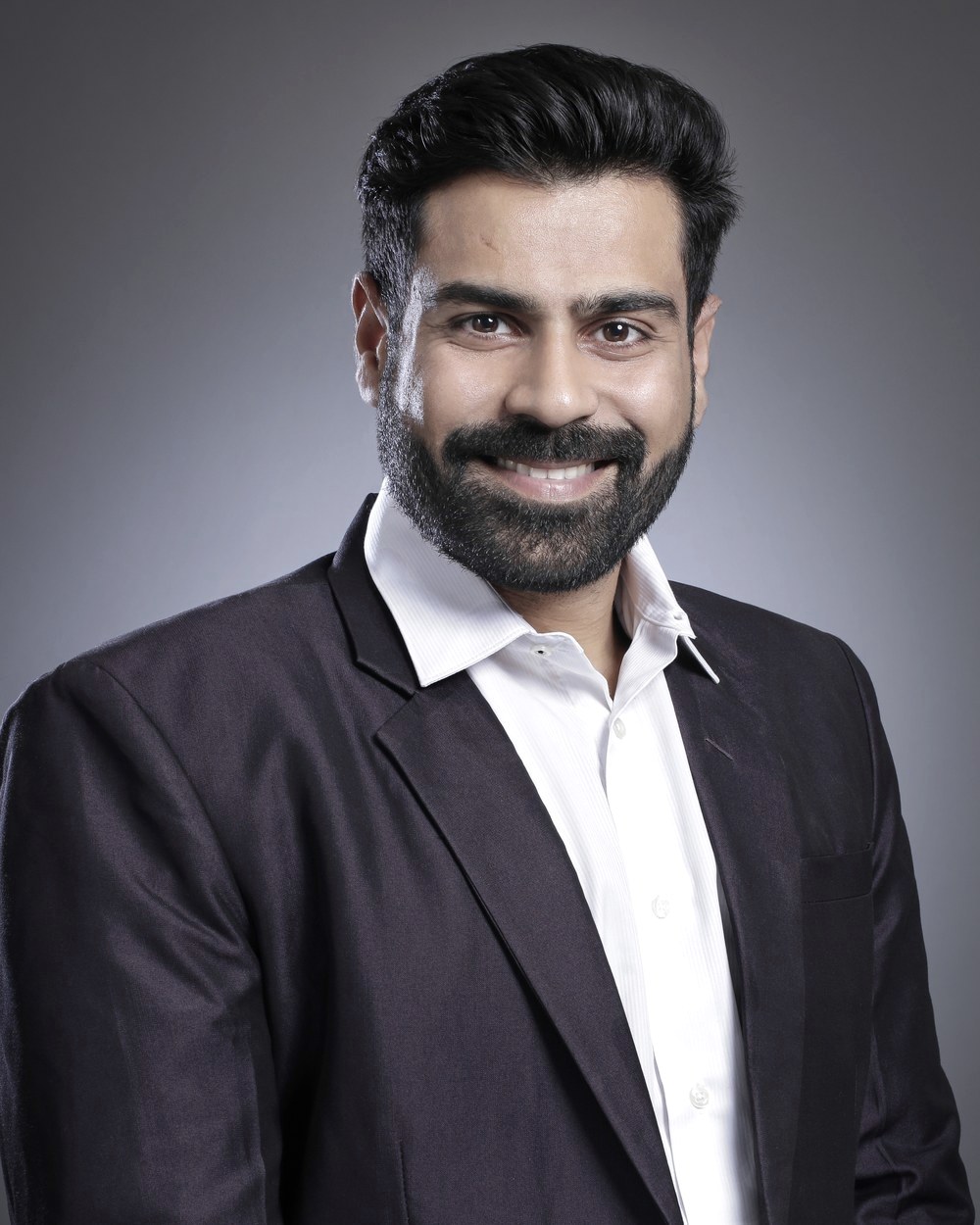
CEO & Founder · Beyond Resumes
Sahil Mittal
Sahil did not begin in search. He trained as an engineer, built and ran a SaaS company, worked inside a global technology business, and later in value creation at a European growth fund. He came to executive search from that side of the table.
That experience became the premise behind Beyond Resumes: understand the business first. Then judge the person against what it actually needs.
Founder-led by design
The operator who takes your brief stays close to the search, reads every serious candidate and owns the judgment. No artificial handoff between selling the work and understanding it.
If this is your DNA
If you're carrying a difficult mandate where the right person can change the trajectory, we should talk.
You do not need a polished job description. Share the mandate as it stands today. We'll begin with the business problem behind it.
Held in confidence — in both directions.
If you're a leader thinking about your next chapter, that conversation is confidential too.